
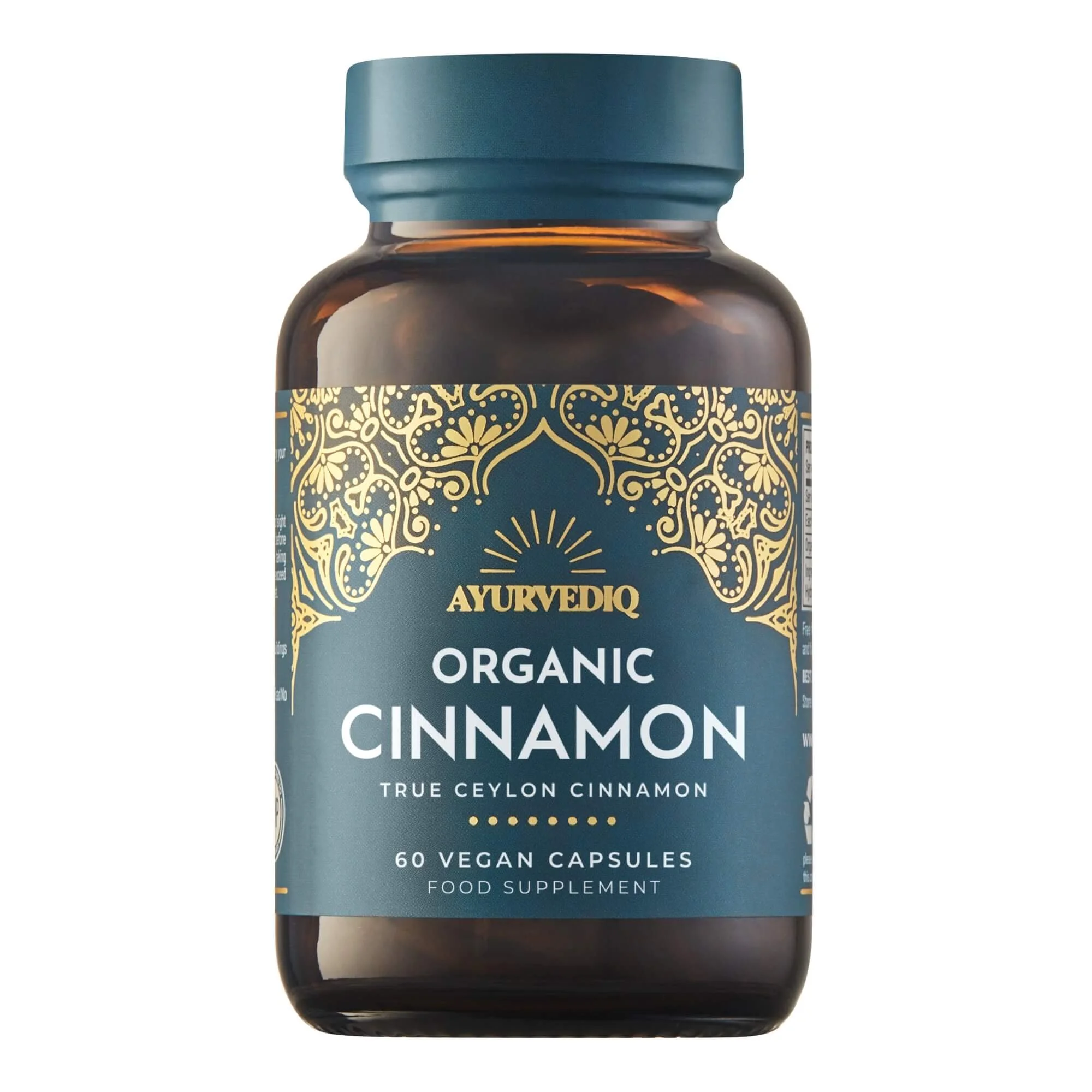
 Image 1 of 3
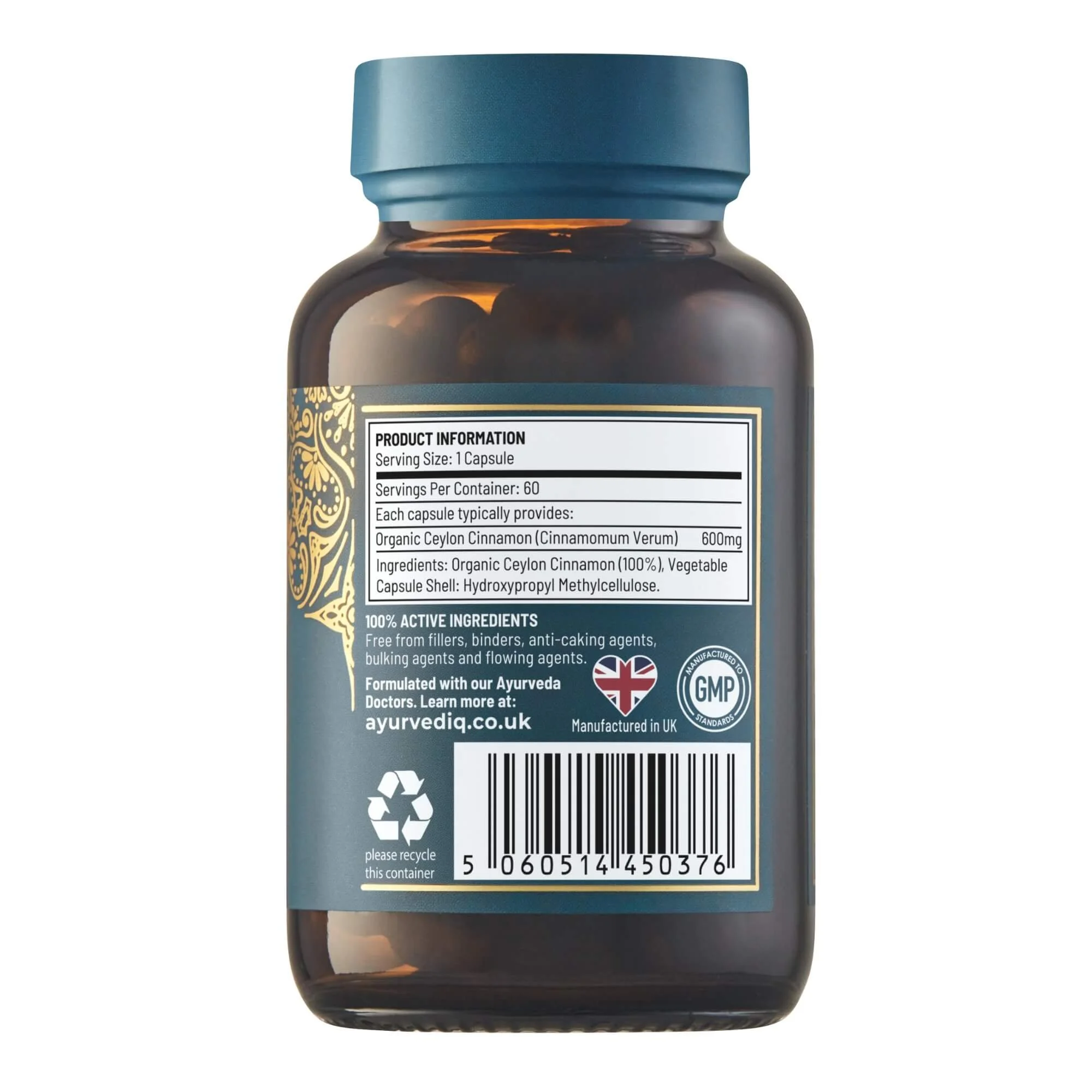 Image 2 of 3
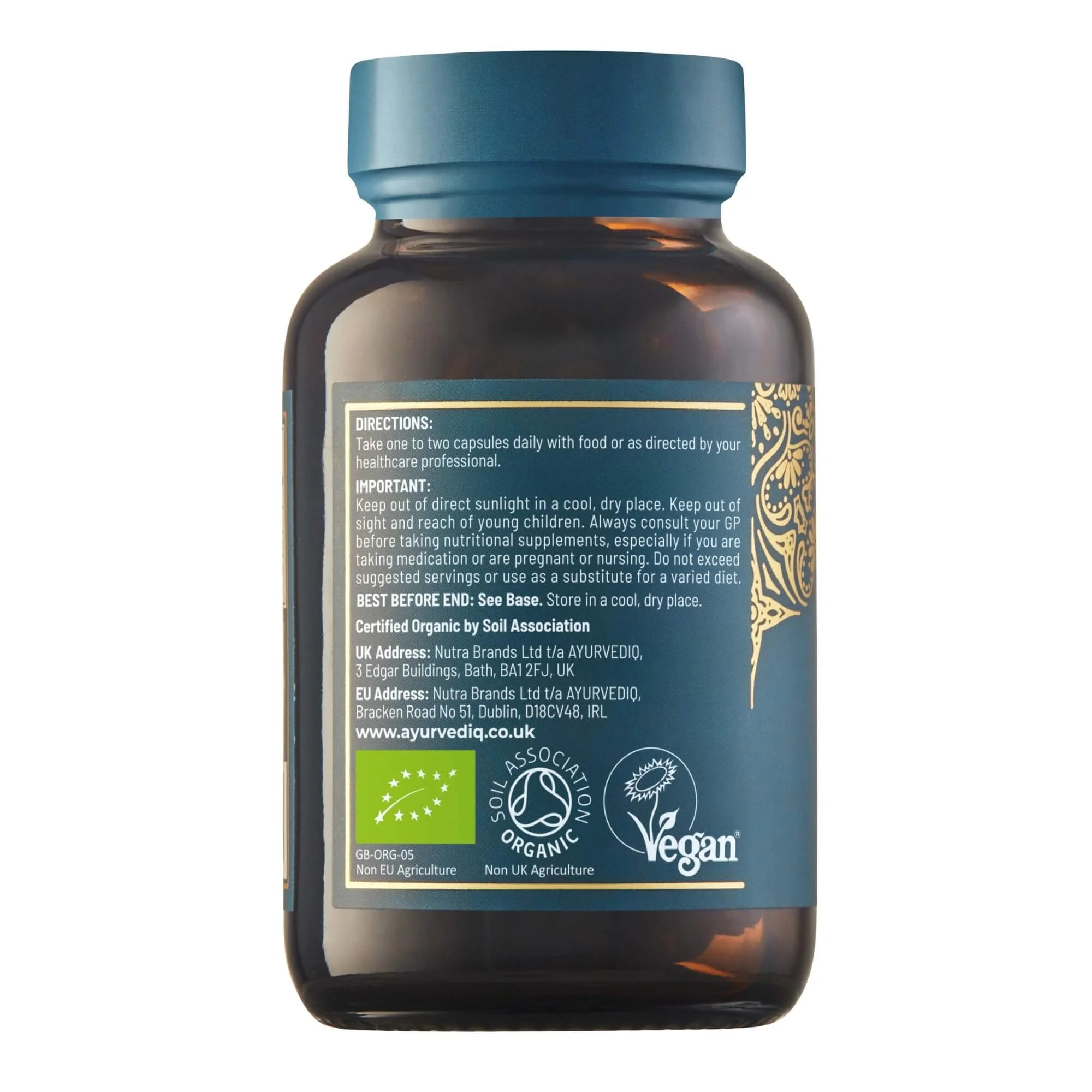 Image 3 of 3
Not all cinnamon is the same.
Most cinnamon sold in supermarkets and supplements is cassia cinnamon, a cheaper and more widely available variety. Ceylon cinnamon, known as True Cinnamon, is softer, more refined and has a gentler profile that makes it better suited to daily supplementation. The distinction matters because cassia contains significantly higher levels of coumarin, a naturally occurring compound that can be harmful in large amounts. Ceylon contains far less, which is why it has always been the preferred variety for regular use.
In Ayurvedic tradition it is Ceylon that has always been valued, prized for its warming properties and its role in supporting digestive comfort and metabolic balance. In Ayurveda it is understood to work gently and consistently over time as part of an everyday routine. It is not a treatment for any specific condition, but a traditional herb with a long history of use by people seeking steady, natural support for digestive and metabolic wellbeing.
What you might notice:
Gentle support for digestive comfort and balance
Everyday metabolic support as part of a healthy routine
Steady, gradual support rather than an immediate effect
These are traditional uses, supported by centuries of practice. We let the herb do the work.
Product Information
-
Every capsule contains pure, active ingredients. Nothing unnecessary, nothing hidden.
-
Our capsules are certified vegan and suitable for all plant-based lifestyles.
-
No gluten, soy, wheat, lactose, sugar or salt. Just clean, simple ingredients.
-
We respect the plant as nature intended it.
-
We respect nature's design by keeping our supplements non-GMO and non-irradiated.
-
Our Organic Ceylon Cinnamon is grown in India and manufactured in the UK to GMP standards, with quality checks at every stage.

FAQs
-
Ceylon cinnamon earns the name True Cinnamon because it is the original variety that has been used in traditional practice for thousands of years. Most cinnamon sold today in supermarkets and supplements is cassia, a cheaper and more widely available variety that looks and smells similar but is botanically different. Ceylon is softer, more refined and has a gentler profile. The distinction matters, which is why we are specific about it on the front of our pack.
-
Beyond taste and texture, the most important difference is coumarin content. Cassia cinnamon contains significantly higher levels of coumarin, a naturally occurring compound that can be harmful when consumed regularly in large amounts. Ceylon contains far less, which is why it has always been the preferred variety for daily supplementation and why it is the only cinnamon we use. If you are taking cinnamon as a daily supplement, Ceylon is simply the more sensible choice.
-
Ceylon cinnamon has been part of Ayurvedic practice for centuries, valued as a warming herb associated with supporting digestive comfort and everyday metabolic balance. In Ayurveda it is understood as an ingredient that works gently with the body's natural systems rather than overriding them, building its support gradually over time as part of a consistent daily routine.
-
Ceylon cinnamon is traditionally valued for supporting digestive comfort and everyday metabolic balance. People often choose it as a gentle, natural addition to their daily routine rather than for any single dramatic effect. These are traditional uses built on centuries of practice rather than overnight promises. Like most traditional herbs, it works best as part of a consistent daily habit over time.
-
Take 1 to 2 capsules daily with water, ideally with a meal. Consistency matters more than timing. Building it into an existing mealtime routine is the simplest and most effective approach.
-
Ceylon cinnamon works gradually as part of a consistent daily routine rather than offering an immediate effect. Most people find that giving it four to six weeks is when it starts to feel worthwhile. Regularity over time is what makes it effective.
-
Ceylon cinnamon has a long history of safe daily use in both food and traditional medicine. Because it contains significantly less coumarin than cassia cinnamon, it is considerably better suited to daily supplementation. As with any supplement, if you are pregnant, breastfeeding, taking medication or have an existing health condition, speak with your GP before adding it to your routine.
-
Ceylon cinnamon has a long history of traditional use in Ayurveda in relation to metabolic balance, and it is one of the reasons some people with an interest in blood sugar management choose it. However, if you are diabetic or taking any medication related to blood sugar, it is essential to speak with your GP before adding any supplement to your routine. We would never suggest a supplement as a substitute for medical advice or treatment.
-
With supplements, what goes into the soil goes into the herb. Organic certification means our Ceylon cinnamon is grown without synthetic pesticides or fertilisers, independently verified by the Soil Association. For something taken daily, we think that distinction matters. You are paying for what isn't in the capsule as much as what is.
-
Yes. Our Ceylon Cinnamon capsules are certified vegan and contain nothing but the herb itself and a vegetable capsule shell.